
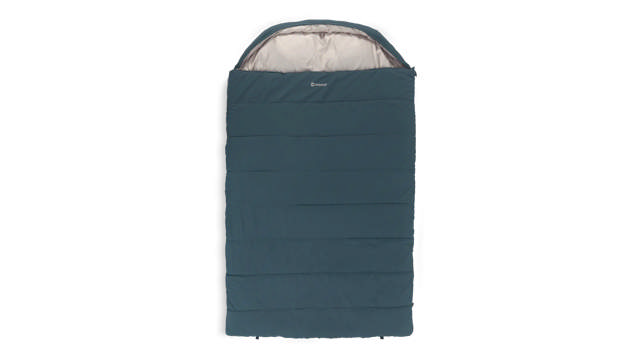
Campion Lux Double
£80.00
Preorder this item


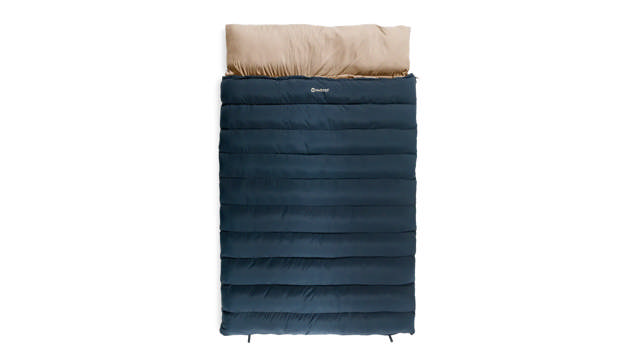

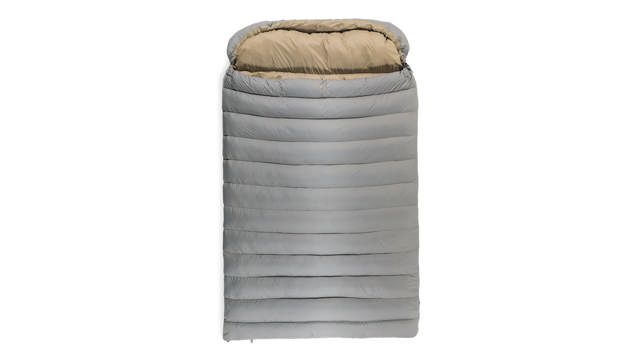

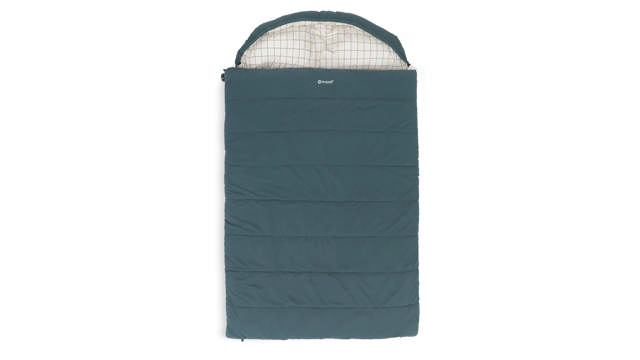

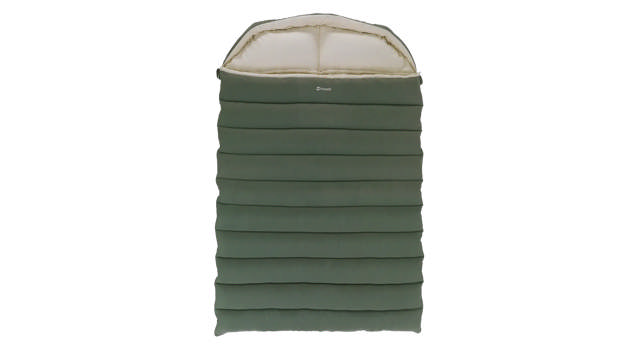
A shared bag makes sense when you like the same bedtime rhythm: you turn in at the same time, you both prefer similar warmth, and you want less effort once the kettle is off and the lights go down. Many couples also like how a double setup avoids the chilly gap that can appear between two single bags on wider sleeping mats.
If you are comparing a true double design with a two-person sleeping bag made by zipping two singles together, start by thinking about how often you camp as a pair versus solo. If you already own single bags, a zip-together route can be a sensible step. If you want one dedicated solution that feels spacious from night one, a purpose-made double can be the straightforward choice. After you have narrowed down the shape and season, you can also browse sleeping bags for your next camping trip to compare insulation levels and comfort features.
The main difference is how you want to use your kit across the season. A dedicated double is quick to lay out and feels like one unified bag, while two compatible singles let you split the system when plans change. If one of you sleeps warmer than the other, two singles can also be easier to vent independently.
At Outwell, several ranges are designed specifically to connect: choose one left zip and one right zip and you can create a double sleeping bag setup when you want shared space, then separate them for guest nights or solo weekends. Contour Lux and Contour Prime are popular for this approach, and the Camper range adds a more at home feel thanks to soft, comfortable fabrics. If flexibility matters, it is worth checking the zip orientation before you buy so the pair matches.
If you want a true two-person design, Contour Lux Double is built for exactly that. The generous 220 x 145 cm shape gives you room through the shoulders and down by the feet, and the comfort features are designed around campsite reality rather than showroom browsing. You get a reversible, dual-season design, so you can adapt the feel depending on the night, and the built-in pillow is removable for easier washing and packing.
Small details make a difference when you camp regularly: the hood can zip off when you prefer an open, duvet-like feel, and the bag can open fully as a duvet for lounging on slow mornings. It also comes with a cap compression sack to keep pack size manageable, and the materials are PFAS-free. If you like clear information, you will also appreciate that temperature ratings are provided for different orientations of the reversible design.
If your priority is width, pairing two roomy singles can feel closer to a king-size sleeping bag experience, while still keeping your options open. Camper Lux XL is a great example: each single is extra spacious (235 x 105 cm), and two compatible bags zip together into one large shared system when you are camping as a couple.
This approach suits campers who sometimes travel together and sometimes not. You can keep one bag at home for a friend or older child, or you can take separate bags when one of you wants an earlier night. Camper Lux XL also leans towards a cosy, home away from home feel with comfortable fabrics and a design that can open as a duvet. If you like sleeping with your arms out or you tend to change position a lot, the extra shoulder room can be the deciding factor.
When people ask for a 4 season double sleeping bag, what they usually mean is: Will we stay comfortable when the temperature drops and the weather changes? The honest answer depends on where and when you camp, how warm you naturally sleep, and what sits underneath you. Your sleeping mat matters as much as your bag because compressed insulation under your body does not hold warmth the same way.
If you camp from spring through autumn and occasionally into colder shoulder-season nights, a flexible bag design can be a practical choice. In the Outwell range, Camper Lux (3 seasons) is a good example of a comfort-led option, and the Contour series uses a reversible concept that lets you tune the feel. Always check the temperature guidance, and plan for ventilation tootwo people can generate more heat than you expect, especially in a well-sheltered tent.
Comfort is not only about insulation; it is also about how the bag feels after a few nights. Air your bag each morning if the weather allows, and avoid storing it compressed at home for long periods. On longer trips, a liner is one of the easiest ways to improve hygiene and next-to-skin comfort. Cotton Liner Double is sized for shared setups (200 x 120 cm) and adds a soft feel while helping to keep the bag cleaner between washes. It also packs down small and is PFAS-free.
If you like using your bag as a duvet in the evening, choose models that open fully so you can sit together with warm legs while reading or planning the next day. For cold sleepers, consider a warm hat and dry sleepwear rather than over-tightening the hood, which can feel restrictive in a shared bag. If you want to build the rest of your kit around this, you can create a comfortable sleeping situation on your trip with mats, pillows, and other sleep essentials that make nights away feel more settled.
Start with how you actually camp: choose a dedicated double for simple, shared comfort, or two zip-compatible singles if you want to switch between together and separate nights. Then decide on your season range and preferred feelContour versatility, or a softer home away from home style in the Camper range. If you are unsure, think about sleeping mat width, your typical campsite temperatures, and whether either of you needs extra room to move.
Browse our double options in our shop and pick the features that will matter on night three, not just night one. If you would like guidance on pairing models, choosing the right zip combination, or selecting the right season rating, contact Outwell and we will help you narrow it down before you buy.
"Outwell