

Outwell Tent Buying Guide
Choosing the right tent depends on how many people are camping, where you are going, how long you are staying and how much comfort you need. Use this guide to compare tent types, sizes, materials and features and find the right Outwell tent for your next camping trip.
Think and try before you buy a tent
Choosing the right camping tent is about more than the number of people sleeping in it. Think about where you plan to camp, how often you will use the tent, how long you will stay and how much comfort, living space and storage you need.
Before buying a tent, consider:
- Who is camping? A family of four may be more comfortable in a 5- or 6-person tent, especially when luggage and camping furniture are included.
- How will you camp? Weekend trips, touring holidays, festival camping and longer family stays place different demands on a tent.
- How will you travel? Check the packed size and weight of the tent, and make sure it will fit in your car, roof box or trailer.
- Where will you store it? A larger tent needs dry, suitable space at home for storage, cleaning and maintenance.
- Which features matter most? Fast pitching, standing height, separate bedrooms, ventilation, waterproof protection and a spacious living area can all make camping more comfortable.
Take time to compare different tent types and layouts before making a decision. Speaking to experienced campers, visiting a campsite or joining the Outwell camping community can provide useful real-world advice.
If you are new to camping, try borrowing or renting a tent before you buy. A short trip will give you a much better idea of the tent size, layout, packed size and equipment that will work for you.
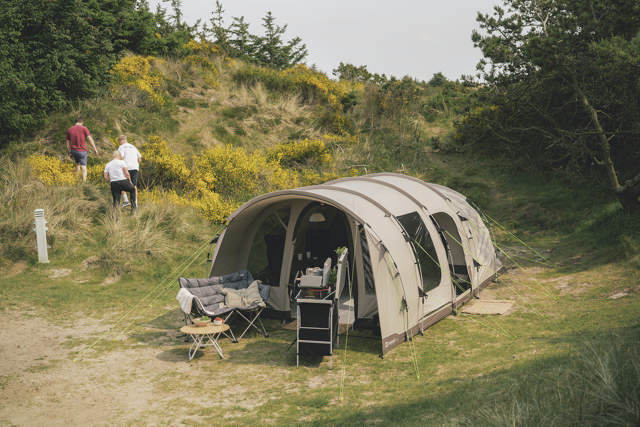
Which type of tent is right for you?
Once you know how you plan to camp, you can choose the tent type that best suits your needs.
How and where you plan to camp should be one of the first things to consider when choosing a tent. The best tent for a week-long family holiday may not be the best choice for a short weekend break, a touring trip or festival camping.
For longer family holidays, a larger tent with separate bedrooms, a generous living area and standing height can make a big difference. Extra space gives children room to play, provides somewhere to relax if the weather changes and helps keep luggage and camping equipment organised.
If you plan to move between campsites regularly, take frequent weekend trips or have limited space in your car, a smaller and lighter tent may be more practical. Look for a design that is quick to pitch, easy to pack away and compact enough to transport comfortably.
When comparing tents, think beyond appearance. Consider the time needed to pitch the tent, its packed size, weight, sleeping layout, living space and the features you will use most. If you need more covered space for longer stays, explore compatible tent extensions, canopies or awnings where available.
Tent design: which style is right for you?
Tent design affects how much living space you have, how quickly the tent can be pitched, how easy it is to transport and how it performs in changing weather. Taking a little time to understand the main tent styles will help you choose a design that suits the way you camp.
Tunnel tents are a popular choice for family camping because they offer excellent usable space, standing height and flexible sleeping and living areas. When pitched correctly, with all pegs and guy lines secured, a tunnel tent can also be quick and straightforward to set up. This is especially useful for families arriving at a campsite with children, luggage and camping equipment to organise.
Dome tents are often more compact and can be a practical option for weekend trips, touring and campers who want a smaller footprint. Their shape can offer good stability and a simple layout, although larger dome tents may take more effort to raise and secure during windy conditions.
Geodesic and semi-geodesic tents are typically designed for more technical use, where strength and stability in exposed conditions are priorities. They are usually more relevant for smaller expedition or backpacking tents than for large family camping tents.
Whichever design you choose, always pitch the tent according to the instructions and use suitable pegs, guy lines and anchoring for the ground conditions. Choose a sheltered pitch where possible, and avoid using any tent in hazardous weather conditions.
Tent features
Tent features affect comfort, safety and ease of use. Look for good ventilation to help reduce condensation, large windows for light and privacy, and multiple doors for easier access.
For family camping, flexible inner tents and separate sleeping areas can help create the right balance between living and bedroom space. High-visibility guy lines and well-designed pegging points can also make the tent safer and easier to pitch.
Check individual product specifications for compatible inner tents, extensions and other accessories.
Tent materials
Tent fabrics affect weight, packed size, durability, breathability and the way a tent performs in different weather conditions. The best choice depends on how and where you camp.
When comparing tent materials, consider waterproof protection, ventilation, drying time and the care each fabric requires. A suitable groundsheet and correct pitching are also important for keeping the tent dry and comfortable.
Camping checklist and useful tent accessories
Plan your camping equipment around the sleeping, living, cooking and outdoor areas of your tent.
Use the different areas of your tent to create a practical camping checklist. Think about what you need for sleeping, relaxing, eating, storage and outdoor living.
Useful tent accessories can make family camping more comfortable. A footprint helps protect the tent groundsheet from dirt and wear, while a tent carpet adds warmth and comfort underfoot. Awnings and compatible extensions can provide extra covered living space for longer stays.
A tarp is another versatile option for shade, shelter from light rain or creating an outdoor living area. Always check product compatibility, pitch safely and follow campsite rules when using tarps, poles and guy lines.
See some of our popular tents here