Classic Air
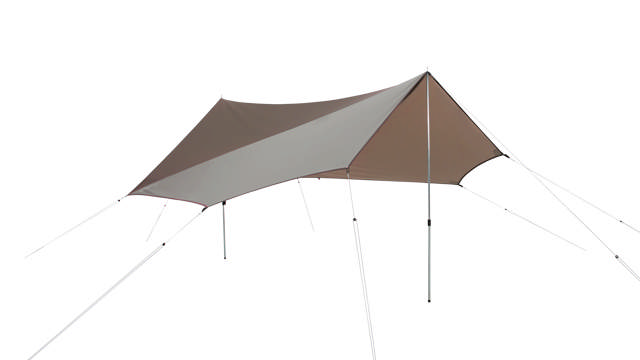
Louisiana Tarp TC
£280.00
Out of stock


A canopy tent is one of those additions you notice every time you camp: it gives you a dry, shaded spot the moment you arrive, and it keeps day-to-day life outside the sleeping area. Set one up beside your vehicle and you have a place for morning coffee, changing shoes, or cooking when the weather turns. At Outwell® we design canopies for Innovative Family Camping, with materials and details chosen for practicality, ease of use, and the kind of comfort that makes a pitch feel like a Home away from Home. With a large selection and thoroughly tested designs for wind and water resistance, you can focus on the holiday, not the setup.
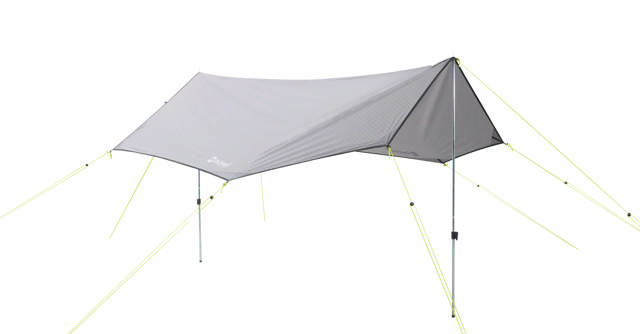
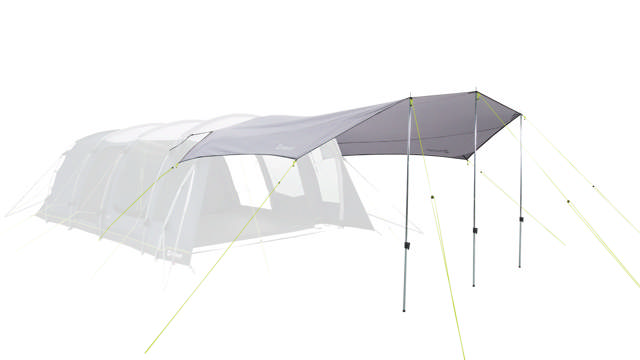
When you’re travelling with family, the pitch becomes your living space. A canopy tent helps you claim that space quickly, so you can unpack without rushing and keep wet coats or sandy footwear outside. In strong sun, you get reliable shade for lunch and play; in light rain, you still have somewhere to sit and cook without squeezing into the vehicle. Many campers use a canopy as a “day base” too—leave chairs and a table set up, then head out knowing you’ll return to cover and calm. If you’re comparing a tent awning to other options, think about how often you want open airflow versus enclosed walls. For most summer trips, an outdoor canopy tent gives you the simplest, most flexible answer.
Yes, and it comes down to how you want to connect it to your vehicle and how adjustable you need the fit to be. A good tent canopy should sit neatly against the vehicle side, channel rain away, and still allow doors to open freely. Look for practical connection details such as dual beading (commonly 5 mm / 7 mm) for awning rails, plus multiple pegging points so you can tension the fabric properly on uneven ground. If you switch between vehicles or change your touring style, a universal tent awning is often the sensible choice because it covers a wider height range and gives you more pitching options. If you’re building a versatile camp setup, explore our full range of utility tents alongside canopies.
Start with how you camp most often: quick overnight stops, longer stays on one pitch, or mixed weather trips where you want extra protection. If you value speed and headroom, Touring Shelter Air is designed around a single-point inflation system with pre-shaped air tubes, creating a stable roof without traditional poles. If you prefer a simple, no-fuss roof for shade and showers, Touring Canopy uses strong steel poles and adjustable pegging points to help you tune the setup to your vehicle height. Want more control over privacy and airflow? Touring Shelter adds toggle-up sides and tinted side windows, so you can open it wide in warm weather or drop the sides when the wind picks up. If you decide you want a more enclosed alternative to a universal tent canopy, consider shelters for extra protection on changeable days.
Many campers search for a canopy pop up tent because they want instant shade without a complicated pitch. With vehicle-connected canopies, the same goal is often achieved through smart attachment options rather than a classic pop-up frame. The Fielder Canopy is a good example: it is compact to pack, quick to mount with suction cups, and flexible in how it connects—ideal for vans, SUVs, MPVs, and estate cars when you want shade for short stops as well as campsite use. If you like a pop up tent canopy idea but want even more packability, Hillcrest Tarp keeps things minimal and still includes two upright poles, so you can create angled cover and roll it away when the sun returns. The key is choosing a setup you will actually use every day, not just on arrival day.
The easiest upgrade is to add protection where you feel it most: low sun, cross-breezes, and a lack of privacy at mealtimes. Side solutions like the Fallcrest Side Panel Set let you turn a roof-only setup into a more defined outdoor room, and you can often roll panels partially up to keep airflow while blocking draughts at seating level. This also helps when you’re camping with children and want a calmer spot for snacks and games. If you’re choosing a tent with canopy living space in mind, think in modules—start open for summer, then add cover as needed. To reduce draughts and define your space, pair your canopy with windscreens and create a more sheltered pitch area without closing everything in.
Stability starts at ground level. Even a well-designed outdoor tent canopy needs the right anchoring for the conditions, so bring suitable pegs for the surface you expect and don’t skip guylines—proper tension helps the canopy shed rain and stay quiet in gusts. After the trip, a quick routine adds years: brush off grit, wipe away bird marks, and always dry the fabric fully before storage to reduce odours and moisture damage. It’s also worth checking connection points, seams, and pole sections so you spot wear early. For a stable setup in different ground types, browse pegs and tent accessories before you head off. When you’re ready, choose your next canopy from the Outwell range in our shop, or contact Outwell for help matching the right model to your vehicle and camping plans.
Outwell