

Outwell valve care: air tents and air beds
How to clean your Outwell air tent and air bed valves
Is your air tent or air bed slowly losing air? Before you start looking for a puncture, check the valve. Sand, dust or a single hair can stop the valve from sealing properly, and the leak can feel just like a puncture. The good news is that it's usually easy to fix with nothing more than a damp cloth.
How inflatable valves work
Air tents, air awnings and inflatable shelters rely on airtight valves to keep the air beams at the right pressure. If your tent is losing air but there's no visible damage to the fabric or air beam, check the valve first.
Signs that your tent valve needs cleaning
- An air beam gradually softens after inflation
- Your tent loses air, but you can't find a puncture
- You can hear or feel air escaping around the valve
- The valve doesn't seal properly when you remove the pump hose
- The problem started after camping on sandy, dusty or muddy ground
How to clean an air tent valve: step by step
Important: Always deflate the air beam fully before opening the valve. Never unscrew a valve while the beam is under pressure.
- Deflate the air beam completely.
- Unscrew the valve carefully. On many models, the valve is attached with a small plastic strap so it doesn't get lost.
- Find the non-return flap on the underside of the valve.
- Gently fold the flap back without stretching or bending it.
- Wipe the flap and the valve seat with a clean, damp cloth to remove dirt, sand and grit.
- Avoid sharp tools, oils, lubricants and strong cleaning products. They can damage the flap and the seal.
- Screw the valve back in and make sure it's seated correctly and fully tightened.
- Inflate the air beam to the pressure stated in your tent's instructions and check that it holds air.
Is the valve damaged? If the flap is torn or deformed, or the valve is cracked, cleaning won't help. Please contact our customer service.
Is it a leak, or just the temperature?
The pressure in an air beam changes with the temperature. On a cold night the air contracts and the beams feel softer. In strong sun the pressure rises. A small change is therefore normal and doesn't mean the valve is faulty. Check the pressure in the morning and top up if needed.
How to keep dirt out of your tent valves
- Always screw the protective cap back on after inflating. It keeps dirt out and gives extra protection if the flap doesn't seal perfectly.
- Make sure the end of the pump hose is clean before you connect it.
- Keep valves away from sand, mud and loose soil when you pitch the tent.
- Clean the valves before packing the tent away, especially after a trip to the beach or dusty ground.
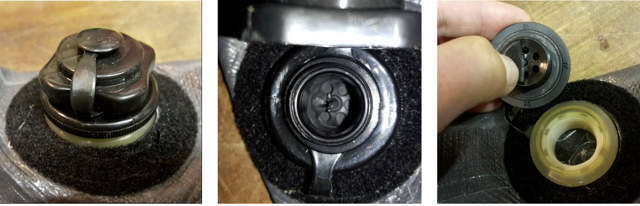
Air bed valves
Valves on air beds, inflatable sleeping mats and other inflatable bedding can also leak because of dirt. If your air bed feels softer in the morning, it doesn't automatically mean it has a puncture.
Why is my air bed losing air?
- Dirt, hair or grit is stopping the flap from sealing
- The valve cap isn't fully closed
- Dust or sand has got into the valve from the pump nozzle
- The air inside has contracted because the temperature has dropped overnight
- There's a puncture or a leaking seam
Check and clean the valve before you go looking for a puncture.
How to clean an air bed valve: step by step
- Deflate the air bed completely.
- Open or unscrew the valve. Depending on the design, some valves can be removed completely, while others only open partially.
- Find the flexible non-return flap behind the valve opening.
- Gently fold the flap back.
- Clean the flap and the valve seat with a soft, damp cloth.
- Remove any dust, sand, grit or hair without using sharp objects.
- Let the valve dry if any moisture has got in.
- Close the valve, inflate the air bed and check that it holds air.
Is the valve damaged? If the flap is torn or deformed, or the valve is cracked, please contact our customer service.
How to check whether your air bed is airtight
Inflate the air bed, close the valve cap firmly and leave it for a few hours or overnight. If it's noticeably flatter, even though the valve is clean and properly closed, check the air bed for a puncture or damaged seam. If it's only slightly softer after a cold night, that's usually down to the temperature.
Air bed valve care tips
- Always close the valve cap after inflating.
- Keep the pump, hose and valve free from sand, dust and moisture.
- Don't stand on, pull or put pressure on the valve.
- Store your air bed clean and dry.
- Check the valve before each trip, especially after long-term storage.
Frequently asked questions
Why is my air tent slowly losing air?
The most common cause is dirt in the valve. Sand, dust or grit can stop the flap from sealing properly. Clean the valve, reinflate the air beam and check that it holds pressure. Remember that a cold night will also make the beams feel softer.
Is a leaking valve the same as a puncture?
No. A leaking valve can feel just like a puncture, but the problem is the seal in the valve, not a hole in the material. Always check the valve before you try to repair a puncture.
Can I use soap or lubricant to clean a valve?
It's best not to. Soap, oils, lubricants and strong chemicals can damage the flap and the seal. A clean, damp cloth is usually all you need.
What if it still loses air after I've cleaned the valve?
Check the air beam or air bed for punctures, and check the seams and connections. If the valve itself is damaged, for example if the flap is torn or the valve is cracked, please contact our customer service and we'll help you find a solution.